How the 2026 Civic Type R’s 315 hp Turbo and 7,000 rpm Redline Define Every Shift
June 24 2026,
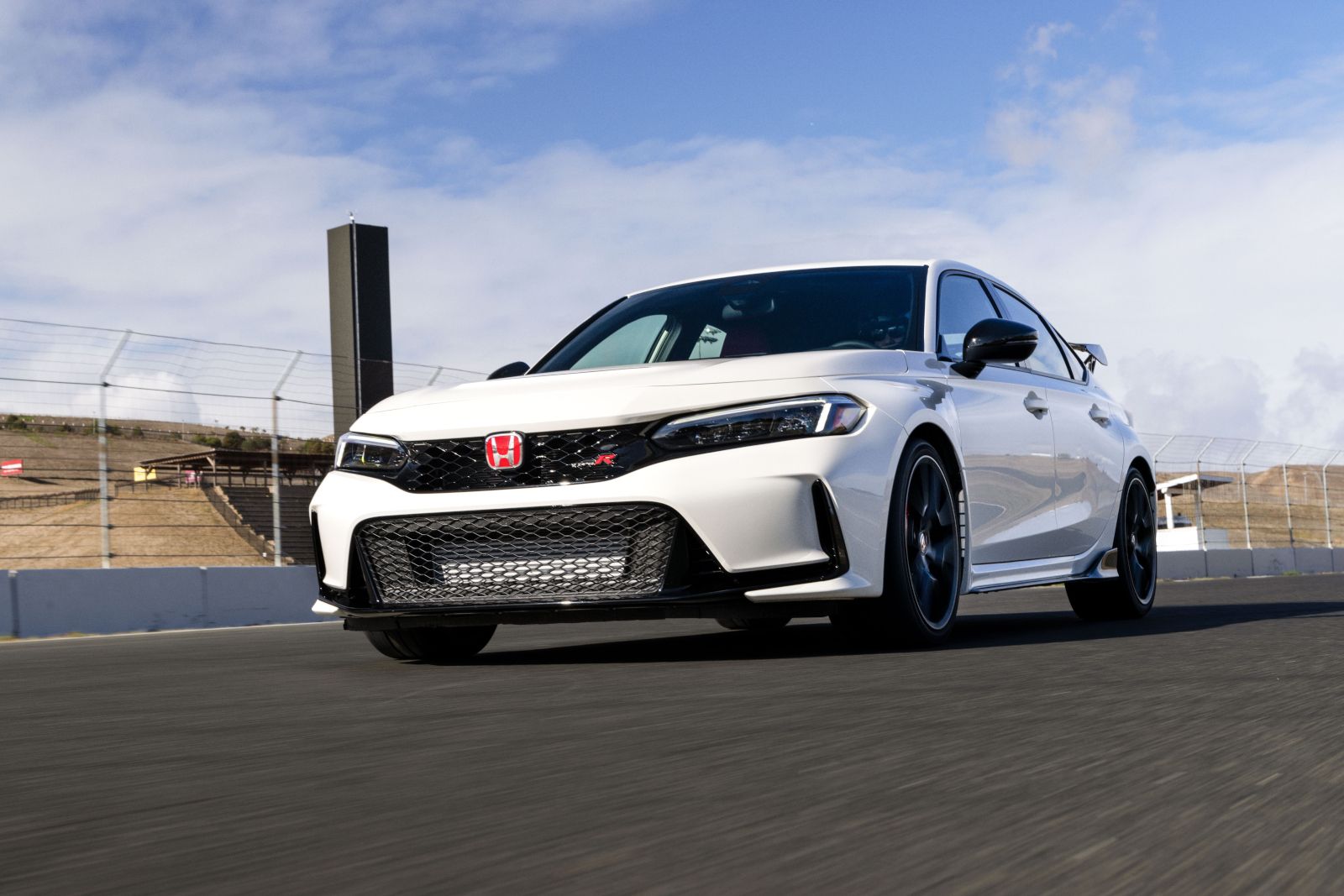
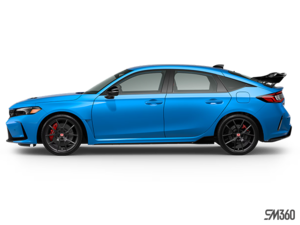
The 2026 Honda Civic Type R is built around one idea: give a driver every tool to go faster, then make those tools honest and direct. For Quebec performance enthusiasts sorting a shortlist, two pieces of this car define the whole experience: a 315 hp turbocharged engine and a chassis tuned to put that power down cleanly.
Let’s break down exactly how those systems work and what they mean on the road.
A Turbo Engine Built Around Its Redline
The Type R runs a 1.996 L inline 4-cylinder with a turbocharger, producing 315 hp at 6,500 rpm and 310 lb-ft of torque from 2,600 to 4,000 rpm. That wide torque band is significant: you access peak twist well before the engine reaches the middle of its rev range, so hard acceleration is available without waiting for the tach to climb.
The redline sits at 7,000 rpm. That gap between peak torque (arriving at 2,600 rpm) and where the engine finally runs out of pull (at 7,000 rpm) is the space where enthusiast driving happens. Each gear gives you a long, usable window from low-end shove through a high-rev finish.
Fuel economy reflects how this engine is designed: 10.8 L/100 km city, 8.3 L/100 km highway, and 9.7 L/100 km combined. Premium fuel is required. With a 47 L tank, that is enough range for spirited day trips without constant fill-ups.
|
Spec |
2026 Civic Type R |
|
Displacement |
1.996 L I4 turbo |
|
Horsepower |
315 hp @ 6,500 rpm |
|
Torque |
310 lb-ft @ 2,600–4,000 rpm |
|
Redline |
7,000 rpm |
|
Fuel type |
Premium |
|
Combined fuel economy |
9.7 L/100 km |
How the Transmission and Drive Modes Shape the Experience
The Type R is paired exclusively with a 6-speed manual transmission. Rev-match control is standard, which means the car automatically blips the throttle during downshifts to synchronize engine speed with vehicle speed. The result is smoother, more controlled corner entries without requiring perfect heel-toe technique on every downshift. Drivers who want to develop that skill manually can leave rev-match off; it is a tool, not a crutch.
Rev indication is also standard, giving the driver a visual prompt for optimal shift points. Both features together lower the gap between an experienced and a developing driver.
Four drive modes adjust how the powertrain and chassis respond: Comfort, Sport, +R, and Individual. Comfort softens the adaptive damper system for daily commutes and longer highway stretches. Sport sharpens throttle response and damper firmness. +R pushes everything to its most aggressive setting for track or back-road use. Individual lets you mix settings across the car’s systems to match your preference.
The adaptive damper system is central to how the Type R handles mode changes. Rather than a fixed suspension tune, the dampers adjust their behaviour in real time based on the selected mode and road inputs.
What This Means Behind the Wheel
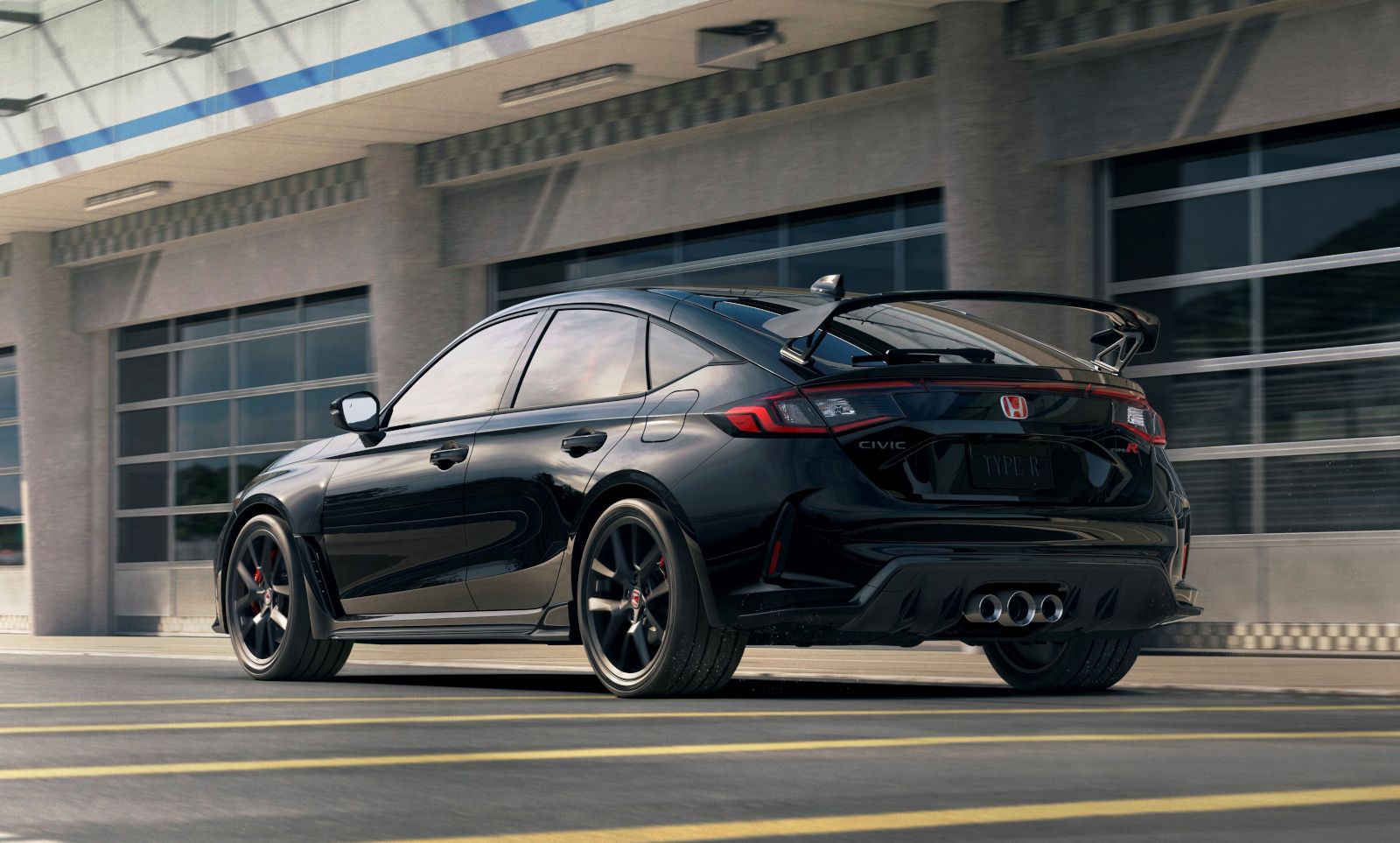
The dual-axis front suspension is what makes a front-wheel-drive car with 315 hp work. Traditional front suspension geometry on a FWD car creates torque steer under hard acceleration: the steering wheel pulls and the car wants to dart. The dual-axis design separates the steering and suspension axes, which reduces that pull. The front wheels track more cleanly under power, so hard acceleration out of a corner does not fight you for the steering.
The independent multi-link rear suspension supports that front-end work by keeping the rear wheels in contact with the road surface during cornering load changes. The combination of the front and rear suspension geometries, tuned together with the adaptive dampers, means the driver gets consistent feedback as the road changes.
Fuel economy in Comfort mode and on a light-throttle highway run is noticeably different from what the combined figure suggests. The 9.7 L/100 km combined number reflects mixed driving that includes the kind of acceleration this engine is made for. For a daily driver who occasionally pushes hard, real-world usage will vary across that range.
Who Gets the Most from This Powertrain
The Type R suits a driver who wants engagement from the car, not just speed. The 6-speed manual is not optional: if you prefer an automatic, this is not the car for you. That is not a flaw; it is the point. The transmission is part of the driving experience.
The seating capacity of four and a 695.6 L cargo hold mean the Type R is not a weekend-only vehicle. It fits a realistic daily life in Quebec: four passengers, a hatchback that holds gear, and a chassis that makes the commute interesting. The ground clearance of 122.7 mm is worth noting for Quebec’s road conditions; this is a low car.
The driver who gets the most value here is someone who logs real kilometres, wants to be involved in every shift, and treats the occasional spirited drive as part of why they bought the car, not a special occasion. Comfort mode exists for a reason: this engine and chassis are liveable every day, not just on weekends.
Put the Type R to the Test at Lallier Honda Hull
The 2026 Civic Type R pairs a 315 hp turbocharged inline 4-cylinder and 6-speed manual with an adaptive suspension system and four selectable drive modes, making it one of the most driver-focused front-wheel-drive cars available in Quebec today.
Visit Lallier Honda Hull in Hull to see the Type R in person and discuss which drive mode configuration fits the way you actually drive.