Gas or Hybrid: How Does the 2026 Honda Civic Drive Differently?
October 23 2026,
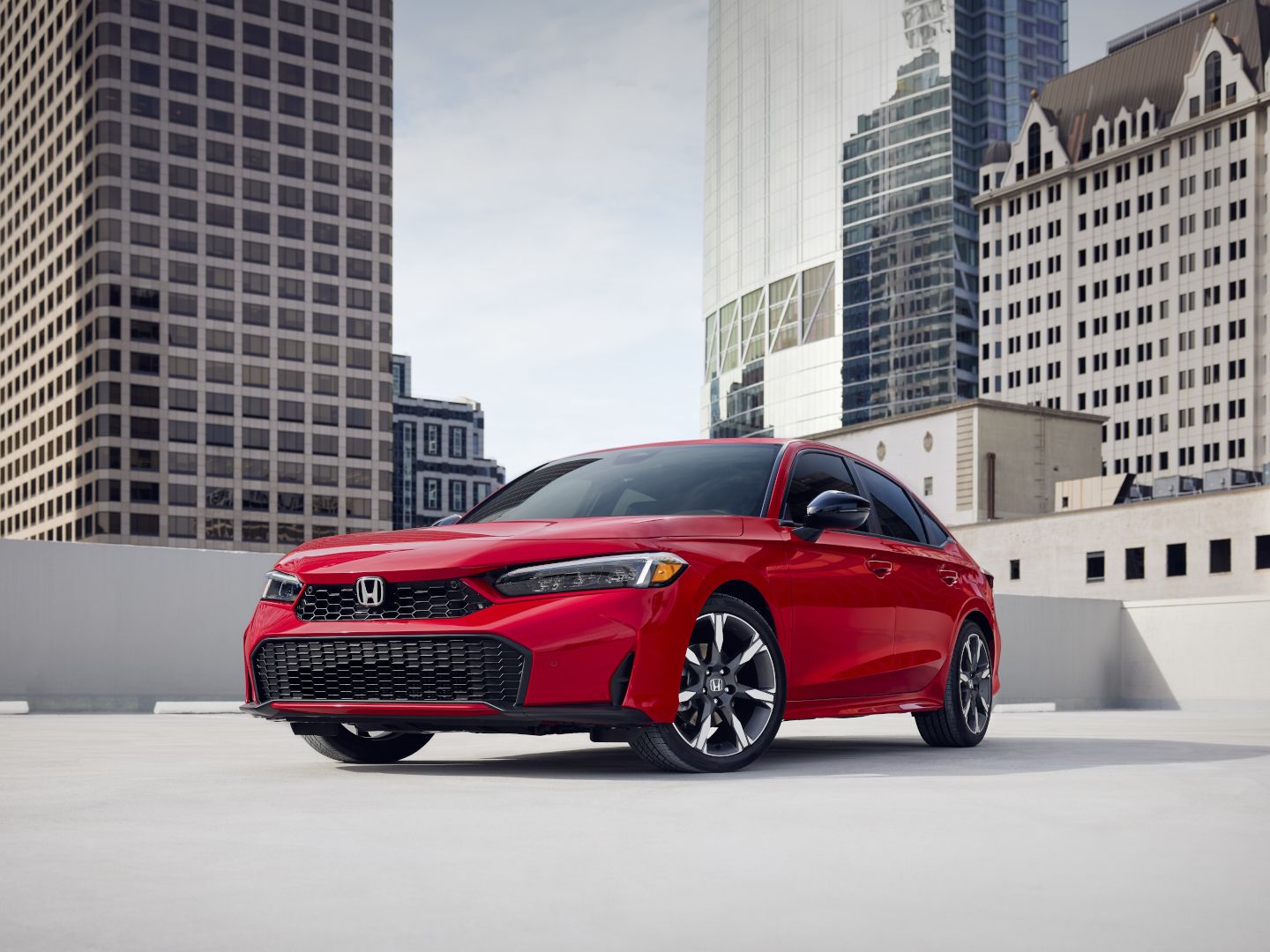
September traffic in Quebec means stop-and-go on the boulevard, a quick highway stretch to get home, and a lot of short errands squeezed between. Choosing between the gas Civic and the Civic Hybrid isn’t only about the numbers on a fuel-economy sticker. It’s about how each one responds when you pull away from a red light or merge onto the autoroute.
This guide walks through what actually changes behind the wheel, so you can match the powertrain to how you really drive.
Civic Gas vs Civic Hybrid: Side-by-Side
|
Spec |
Civic LX (Gas) |
Civic Sport Hybrid |
|
Engine |
2.0 L inline-4 |
2.0 L inline-4 with two-motor hybrid system |
|
Output |
150 hp / 133 lb-ft |
200 hp / 232 lb-ft |
|
Transmission |
Continuously Variable Transmission (CVT) |
Electro-Continuously Variable Transmission (eCVT) |
|
Fuel economy (city/hwy/combined) |
7.3 / 5.7 / 6.6 L/100km |
4.7 / 5.1 / 4.9 L/100km |
|
Cargo volume |
419 L |
419 L |
|
Curb weight |
1,310 kg |
1,462 kg |
|
Wheels |
16-inch steel |
18-inch alloy |
|
Ground clearance |
134 mm |
134 mm |
The cargo hold is identical at 419 L either way, so the hybrid battery pack doesn’t cost you trunk space. Ground clearance also matches, so ride height in a Quebec winter or a rough back road isn’t a trade-off either.
How Power Shows Up in Everyday Driving
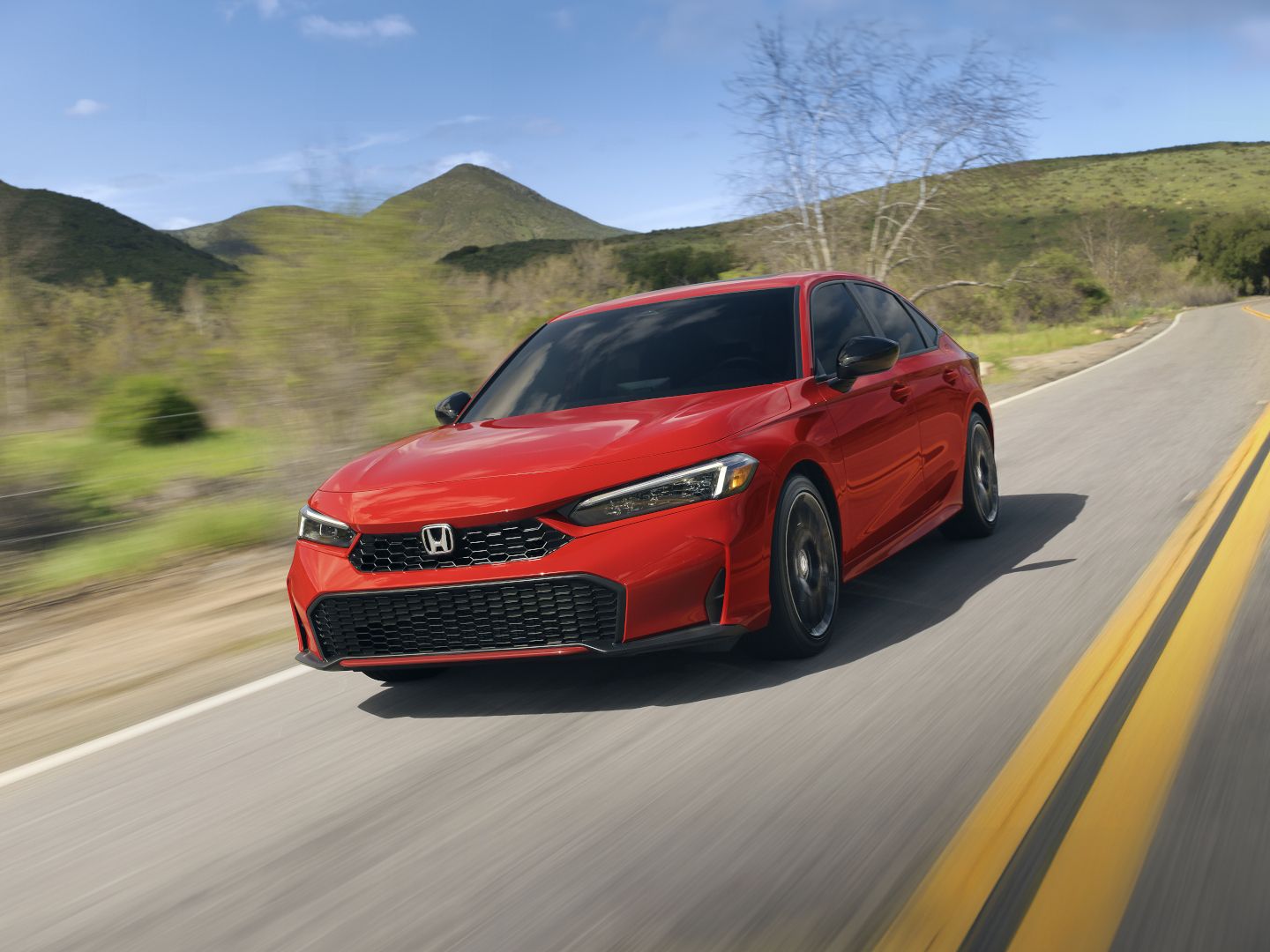
The gas LX’s 150 hp and 133 lb-ft arrive through a conventional CVT, so power builds as the engine revs, the way most drivers already expect a car to feel. It’s straightforward and familiar.
The Sport Hybrid’s two-motor system makes 200 hp and 232 lb-ft, and because an electric motor supplies torque immediately, the response off the line feels quicker than the horsepower number alone suggests. There’s no gear hunting, no lag waiting for revs to climb.
At a stop sign or merging into a gap in traffic, that immediate torque changes the character of the car. The gas Civic asks the engine to spool up; the hybrid just goes.
City Commuting and Dense Quebec Driving
For frequent short trips, stop-start commuting, and dense urban routes, the hybrid’s electric-assisted low-speed operation is where its 4.7 L/100km city rating comes from, well ahead of the LX’s 7.3 L/100km in the same conditions. The two-motor system does more of the work at low speed, so the gas engine isn’t constantly cycling on and off in traffic.
The gas Civic isn’t a poor city car. Its CVT is tuned to keep revs low around town, and 133 lb-ft is enough for routine lane changes and parking-lot manoeuvring. It simply asks more of the engine to do it, which is why the city fuel figure gap is the widest of the three drive cycles.
For a commuter doing repeated short hops, that city-cycle gap adds up fastest. For someone whose daily driving is lighter and less stop-and-go, it matters less.
Highway Manners, Merging, and Passing
At steady highway speeds, the gap narrows: 5.7 L/100km for the LX versus 5.1 L/100km for the Sport Hybrid. Both cars settle into a composed cruise, and the shared 134 mm ground clearance and matched wheelbase mean similar body control regardless of which engine is under the hood.
Where the two diverge is in how they sound and feel when you ask for more. The gas Civic’s CVT lets the 2.0-litre four rev freely for a pass, with the engine note rising as revs climb, a familiar drivetrain character for anyone stepping out of a conventional car.
The hybrid’s eCVT keeps the engine’s Atkinson-cycle operation quieter at cruise, leaning on electric torque for a passing burst rather than a rev climb. Merging confidence comes from that immediate torque delivery instead of engine sound building underneath you.
Steering ratio and tuning are shared between the gas LX and Sport Hybrid at 11.3:1, so the sedan’s on-centre feel and turn-in response stay consistent whether you choose gas or hybrid. The character difference lives in the powertrain, not the chassis.
Cabin, Seating, and Everyday Livability
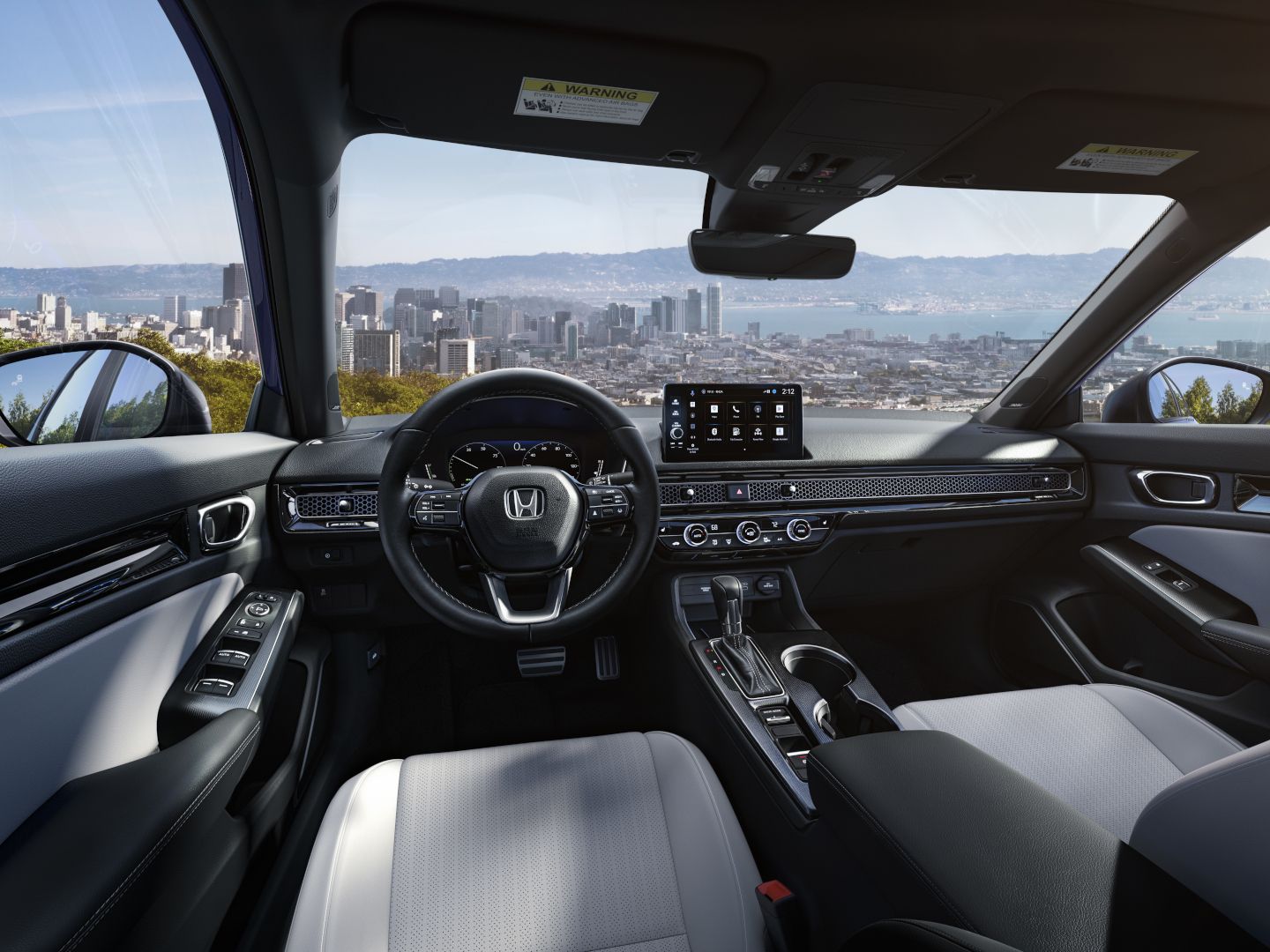
Both versions seat five and include heated front seats as standard. The LX uses fabric seating and an 8-speaker, 7-inch touchscreen setup; the Sport Hybrid moves to a heated leather-wrapped wheel and 18-inch alloys, with the range-topping Sport Touring Hybrid adding leather-trimmed seating, a 10.2-inch instrument cluster, a 9-inch touchscreen, and 12 speakers.
For a solo commuter prioritizing low running costs, the Sport Hybrid’s efficiency and quicker throttle response make daily driving less effortful. For a small household weighing cabin materials and tech alongside the drive, the Sport Touring Hybrid stacks those comfort features on top of the same two-motor performance.
Which Civic Fits Your Drive?
If your week is dense city traffic, short hops between errands, and a preference for immediate throttle response, the Sport Hybrid’s low-speed torque and 4.7 L/100km city figure fit that pattern directly.
If you want the familiar feel of a revving engine, a simpler drivetrain, and don’t rack up heavy city mileage, the LX delivers that at a lower curb weight and with fuel economy that still holds up on the highway.
Neither one asks you to give up ground clearance, cargo room, or steering feel. The 2026 Civic keeps those consistent across the lineup; the decision comes down to how you want the power delivered.
Test-Drive Both at Lallier Honda Hull
The 2026 Civic lineup pairs a familiar gas four-cylinder with a two-motor hybrid system that trades engine revs for immediate torque, especially in city driving. Both share the same cabin space, cargo room, and chassis tuning.
Visit Lallier Honda Hull in Hull to get behind the wheel of the Civic LX and the Civic Sport Hybrid back to back, and feel the difference for yourself before you decide which one fits your commute.